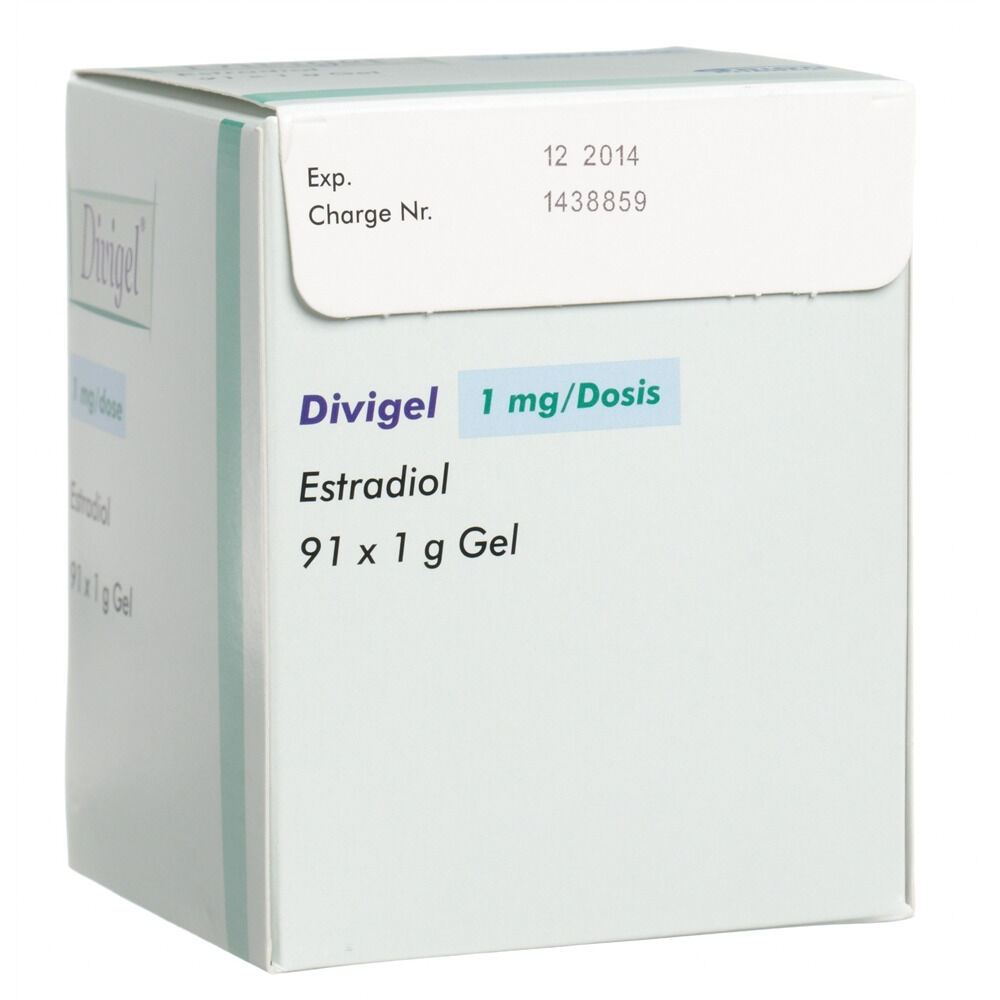
Description
Buy Divigel Online | What is Estradiol?
Buy Divigel Online | Estradiol is a type of estrogen, which is a female sex hormone. It plays a crucial role in the development and maintenance of female reproductive system and secondary sexual characteristics. Estradiol is the primary form of estrogen produced by the ovaries in females, although it is also present in smaller amounts in males. It is responsible for regulating the menstrual cycle, promoting the growth and development of the female reproductive organs, and maintaining bone health.
Estradiol is used medically for a variety of purposes, including hormone replacement therapy (HRT) for menopausal symptoms, such as hot flashes and vaginal dryness, and for the treatment of certain conditions related to estrogen deficiency, such as osteoporosis. It is available in different forms, including oral tablets, transdermal patches, creams, and injections, and the appropriate form and dosage are determined by a healthcare provider based on individual patient needs and health history.
It’s important to note that estradiol should only be used under the guidance and prescription of a qualified healthcare professional, and its use should be based on an individualized assessment of risks and benefits, as it may have potential side effects and interactions with other medications.
How does Estradiol work?
Estradiol works by binding to estrogen receptors in various tissues throughout the body, which triggers a series of cellular responses. Estrogen receptors are proteins that are present in cells in many organs, including the ovaries, uterus, breasts, bones, and brain. When estradiol binds to these receptors, it can regulate gene expression and modulate cellular functions.
In the female reproductive system, estradiol helps regulate the menstrual cycle by promoting the growth and development of the uterine lining (endometrium) during the first half of the menstrual cycle. It also plays a role in the development of secondary sexual characteristics, such as breast development and widening of the hips during puberty.
Estradiol also has effects outside of the reproductive system. It plays a role in bone health by helping to maintain bone density and preventing bone loss. It also has effects on cholesterol levels, blood vessels, and the central nervous system, including the brain.
In addition to its physiological effects, estradiol is used medically to alleviate symptoms associated with menopause, such as hot flashes, vaginal dryness, and mood swings, when levels of natural estradiol decline. It is also used in hormone replacement therapy (HRT) for postmenopausal women to help prevent osteoporosis and manage other menopause-related symptoms.
How to take Estradiol?
Estradiol is available in various forms, and the specific instructions for taking it may vary depending on the form and dosage prescribed by a healthcare professional. Here are some general guidelines:
- Oral tablets: Estradiol is commonly available in oral tablet form. It is usually taken by mouth with water, and the dosage and frequency will be prescribed by your healthcare provider. It’s important to take it exactly as prescribed, at the same time each day, and not to exceed the recommended dosage.
- Transdermal patches: Estradiol can also be administered through transdermal patches that are applied to the skin. The patch is usually applied to a clean, dry area of skin on the lower abdomen or buttocks, and it is typically replaced every one to three days, depending on the specific product. It’s important to follow the instructions provided with the patch, as well as the dosing schedule prescribed by your healthcare provider.
- Creams or gels: Estradiol can also be available in cream or gel form, which is applied to the skin. The cream or gel is usually applied to a specific area of skin, such as the inner arm or thigh, according to the dosing instructions provided by your healthcare provider.
- Injections: Estradiol can also be administered by injection, usually intramuscularly. Injections are typically given by a healthcare provider in a clinic or hospital setting, and the dosage and frequency will be determined by your healthcare provider.


